The Role of Forging in Modern Manufacturing
July 30, 2026
What Are Forgings and Where Are They Used in Industrial Applications?
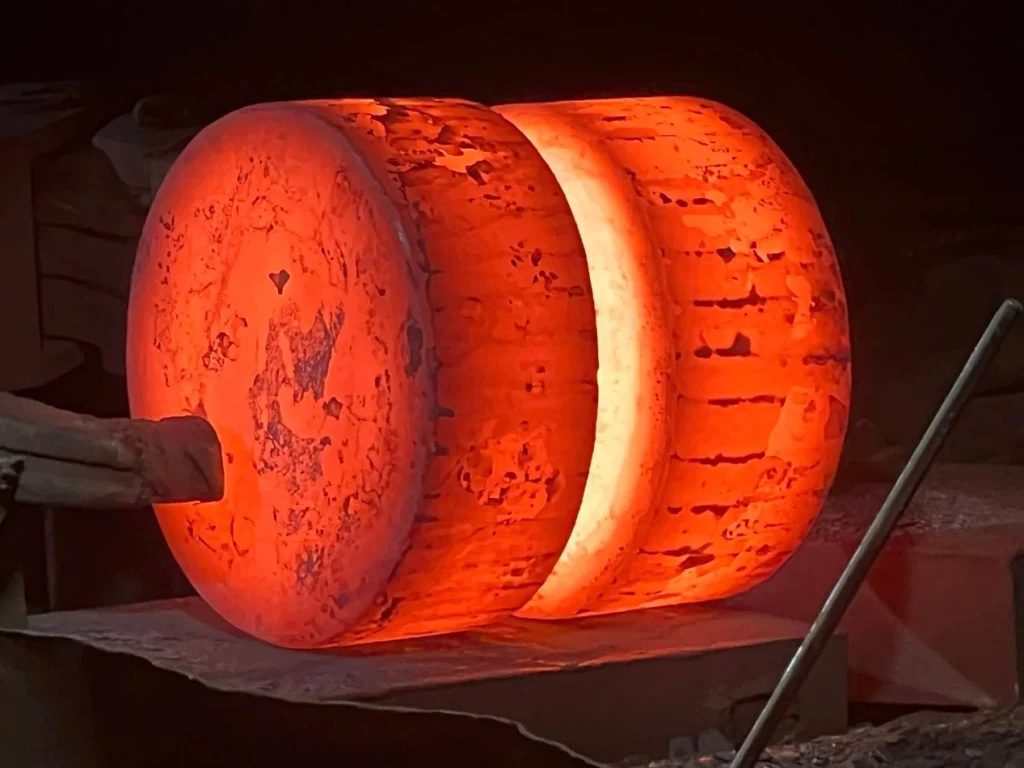
Forgings are metal components manufactured by applying compressive force to heated or unheated metal blanks, causing controlled plastic deformation to improve material structure and mechanical performance. Compared with many conventional manufacturing methods, forging helps refine grain flow, increase strength, and improve resistance to fatigue, impact, and heavy loads.
Due to their excellent structural reliability, forged components are widely used in industries where safety, durability, and long service life are critical. From power generation equipment and marine systems to mining machinery and transportation, forged parts remain essential components in demanding industrial applications.
As a professional custom forging supplier, FWD Forgings provides engineered forged components designed according to customer drawings, material requirements, and application conditions for global industrial markets.
Why Are Forged Components Widely Used in Heavy Industries?
The main advantage of forging lies in its ability to improve the internal structure of metals. During the forging process, compression forces reshape the material and create a more continuous grain structure, reducing internal defects and improving mechanical performance.
Compared with cast or machined components, forged parts typically offer:
| Advantage | Description |
|---|---|
| Higher Strength | Improved grain structure supports higher mechanical loads |
| Better Fatigue Resistance | Suitable for repeated stress and cyclic loading conditions |
| Enhanced Toughness | Provides better impact resistance in demanding environments |
| Structural Reliability | Reduces risks caused by internal porosity and material inconsistency |
These characteristics make forgings particularly suitable for critical components used in energy, transportation, heavy machinery, and industrial equipment.
Main Application Categories of Forgings
Forgings are used across a wide range of industries. Different applications require specific designs, materials, and manufacturing processes to achieve the required mechanical performance.
General Industrial Forgings
General industrial forgings are commonly used in manufacturing equipment, machine tools, agricultural machinery, and industrial components.
Typical forged parts include:
- Machine tool components
- Bearing-related parts
- Industrial shafts
- Structural connection components
These applications require stable mechanical properties and long-term operational reliability.
Power Generation Forgings
Power generation equipment operates under continuous mechanical stress and demanding operating conditions. Forged components are widely used because they provide the strength and durability required for large rotating systems.
Hydraulic Generator Forgings
Common components include:
- Main shafts
- Intermediate shafts
- Rotor components
- Heavy-duty connection parts
These components require excellent fatigue resistance due to continuous rotation and high torque transmission.
Thermal Power Plant Forgings
Typical forged components include:
- Turbine rotors
- Impellers
- Retaining rings
- Main shafts
High-temperature resistance and structural stability are essential for these applications.
Metallurgical Machinery Forgings
Metallurgical equipment operates under extreme loads, high pressure, and repeated mechanical impact.
Common forged components include:
- Cold rolling mill rolls
- Hot rolling mill rolls
- Gear shafts
- Heavy transmission components
Forging improves wear resistance and load-bearing capability, helping equipment maintain stable performance in steel production environments.
Pressure Vessel and Oil & Gas Forgings
Pressure-containing equipment requires forged components with excellent structural integrity and reliability.
Typical applications include:
- Cylinder shells
- Nozzle ring flanges
- End closures
- Heavy pressure vessel components
- Pipeline connection parts
Forged components are preferred in these applications because they provide consistent material properties and improved resistance to pressure-related stress.
Marine Forgings
Marine equipment operates in harsh environments involving high loads, vibration, and corrosion exposure.
Common marine forged components include:
- Marine crankshafts
- Stern shafts
- Rudder stocks
- Thrust shafts
- Intermediate shafts
These components require high fatigue resistance and dependable performance throughout long operating cycles.
Mining and Heavy Construction Forgings
Mining and construction equipment requires components capable of handling extreme impact and heavy loads.
Typical forged parts include:
- Drive shafts
- Gear components
- Hydraulic components
- Structural support parts
Forged components help improve equipment reliability in challenging working environments.
Forging Equipment Components
Forging and pressing equipment itself relies on heavy-duty forged parts to withstand repeated mechanical forces.
Applications include:
- Hammer heads
- Hammer rods
- Hydraulic press columns
- Cylinder blocks
- Wheel axle pressing machine supports
These components require exceptional toughness and resistance to impact loading.
Automotive and Transportation Forgings
Automotive and transportation systems use forged components for safety-critical applications requiring strength and dimensional reliability.
Common automotive forgings include:
- Steering knuckles
- Front cross members
- Vehicle couplings
- Drivetrain components
Forging is widely used for load-bearing automotive parts because of its ability to provide reliable mechanical performance under dynamic conditions.
Locomotive and Railway Forgings
Railway equipment requires components capable of handling heavy loads, vibration, and long-distance operation.
Typical locomotive forgings include:
- Axles
- Wheels
- Leaf springs
- Crankshafts
- Suspension components
Forged railway components provide the durability required for both passenger and freight transportation systems.
Military and Specialized Forgings
Defense and specialized equipment applications require components with exceptional strength and reliability.
Typical forged components include:
- Structural components
- Heavy-duty fittings
- High-strength mechanical parts
Forging technology helps meet demanding requirements for mechanical performance and operational safety.
How to Select the Right Forging Solution?
Selecting the correct forging solution depends on several factors:
Component Requirements
Engineers typically evaluate:
- Load conditions
- Operating environment
- Required strength
- Fatigue requirements
- Dimensional accuracy
Material Selection
Common forging materials include:
- Carbon steel
- Alloy steel
- Stainless steel
Material choice depends on application requirements, including corrosion resistance, hardness, and mechanical performance.
Manufacturing Process
Different components may require different forging approaches, including:
- Open die forging for large and heavy components
- Closed die forging for precision production
- Heat treatment for optimized mechanical properties
Custom Forgings for Global Industrial Applications
From power generation and marine equipment to mining machinery and heavy industrial systems, forged components continue to play a critical role in modern manufacturing.
FWD Forgings specializes in customized forged components manufactured according to customer specifications, including shafts, flanges, gears, round bars, and special forged parts.
With experience supporting demanding industrial applications, we provide reliable forging solutions for OEM customers requiring high-performance components and consistent quality.
Contact FWD Forgings for custom forging solutions tailored to your application requirements.
FAQ
What industries use forged components?
Forged components are widely used in power generation, marine, oil & gas, mining, railway, automotive, and heavy machinery industries where high strength and reliability are required.
Why are forgings stronger than many other metal components?
Forging improves the internal grain structure of metals, increasing strength, toughness, and fatigue resistance.
What types of components can be produced through forging?
Forging can produce shafts, flanges, gears, pressure vessel parts, marine components, automotive parts, and many other customized industrial components.