



Special Non-Standard Forgings
Custom non-standard forgings manufacturer specializing in engineered custom steel forging solutions for complex industrial components. We deliver bespoke open-die forgings, multi-step blanks, and structural forged parts tailored strictly to your CAD drawings, specialized alloy specifications, and rigorous NDT requirements across diverse heavy-duty industries.
-
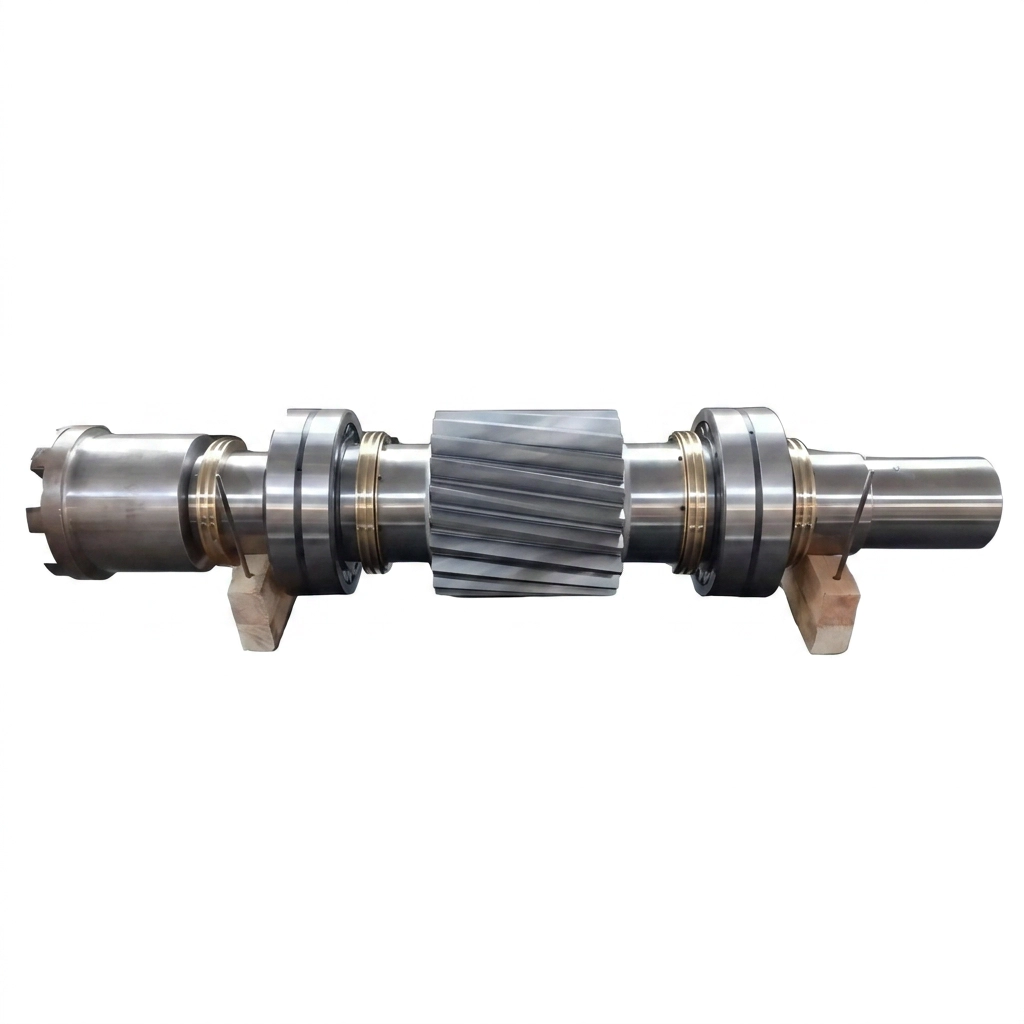
Custom Multi-Step Special Forging Blanks with Superior Grain Flow
-
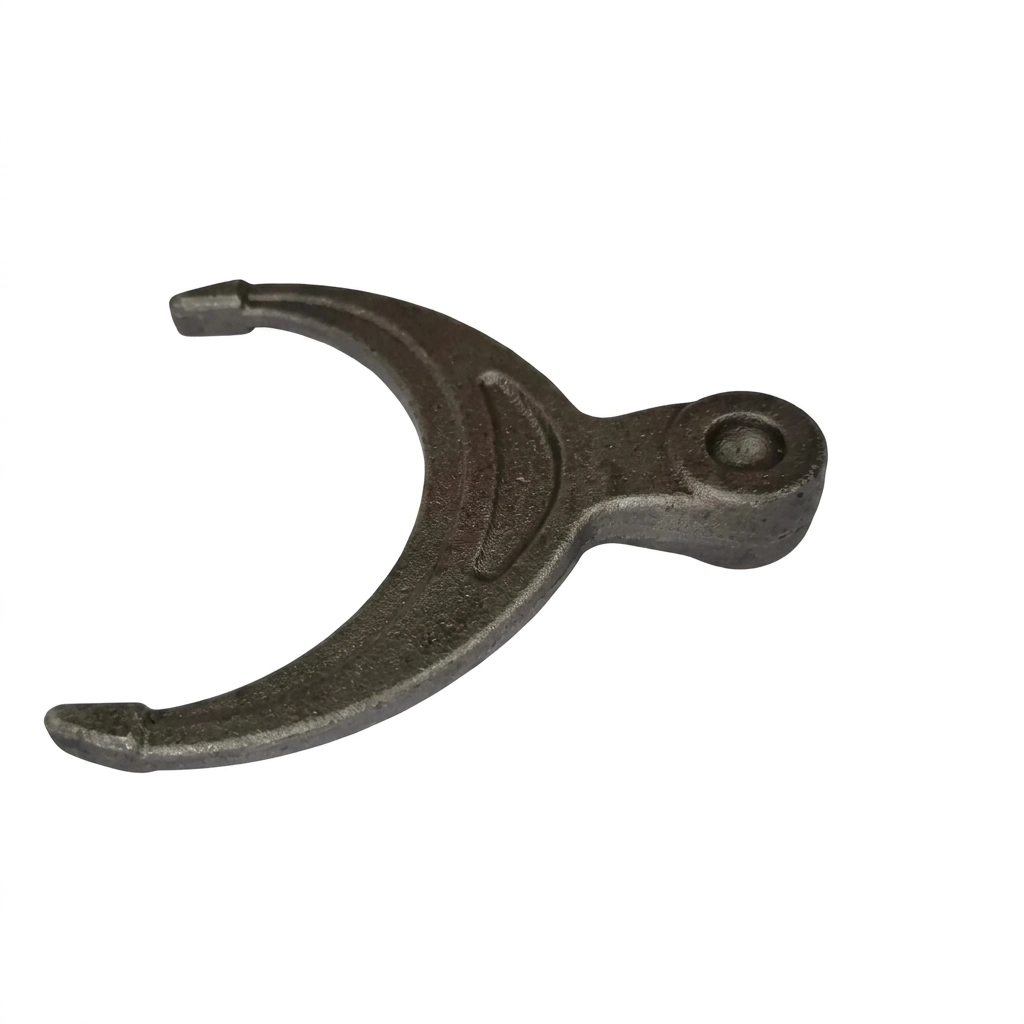
Fork & Bracket Forgings for Structural & Machinery Assemblies
-
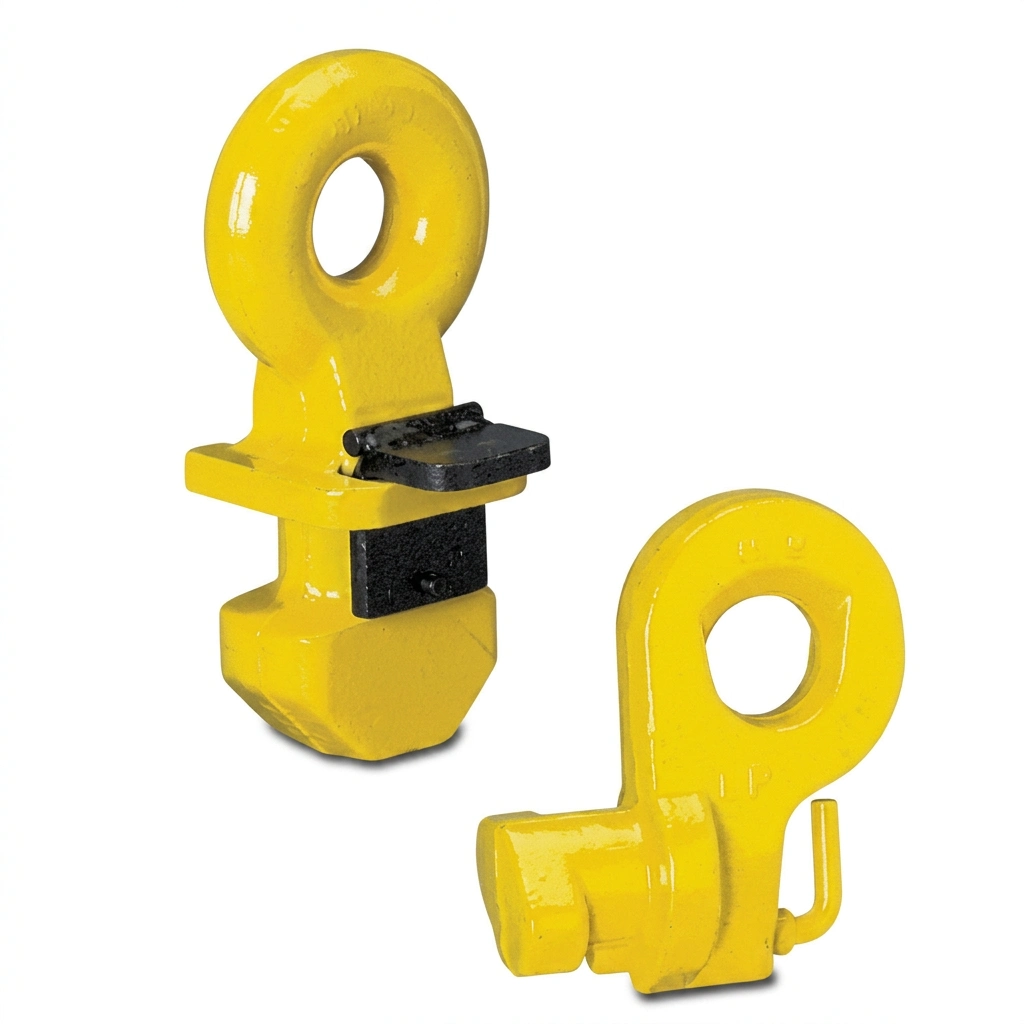
Heavy-Duty Forged Lifting Lugs & Structural Support Fittings
Custom Non-Standard Forgings Designed for Unique Engineering Requirements
Special non-standard forgings are custom-engineered metal components manufactured strictly according to client-supplied technical drawings, complex spatial geometries, and specialized application specifications. When off-the-shelf industrial parts or conventional catalog forgings fail to meet extreme load demands, non-standard structural requirements, or tight space constraints, non-standard forged components provide the ideal solution.
Unlike standard shaft, disc, or gear forgings, these bespoke parts require tailored open die, closed die, or multi-directional forging processes. As an established custom forging manufacturer, we deliver complete OEM/ODM customized forging solutions—from initial engineering design review and metallurgical selection to precision machining and rigorous non-destructive testing. Whether you require complex-shaped structural brackets, multi-step forging blanks, or heavy-duty custom components for extreme operating environments, our facility delivers high-integrity custom steel forging solutions tailored to your unique engineering requirements.
What Are Special Non-Standard Forgings?
Defining Non-Standard Forged Components
In industrial procurement, a non-standard forging refers to any custom forged metal part designed outside standardized ISO, ANSI, or DIN dimensional component catalogs. These parts feature unique geometric profiles, multi-axis contours, irregular wall thicknesses, or specialized step transitions engineered for custom machinery and high-stress equipment assemblies.
When Are Custom Non-Standard Forgings Required?
-
Unique Machinery Geometries: Equipment designs where standard industrial hardware cannot fit or support structural loads.
-
High-Stress Operating Conditions: Critical applications subjected to combined dynamic stress, torsional loads, elevated temperatures, or aggressive corrosive environments.
-
Legacy Equipment Modernization: Custom replacement parts for legacy industrial systems where original spare parts are obsolete or discontinued.
-
Prototype & R&D Development: Specialized components developed for innovative mechanical designs requiring low-volume manufacturing and rapid engineering iterations.
Customized Forging Capability for Complex Industrial Components
Manufacturing complex forged components requires flexibility, extensive metallurgical expertise, and complete technical control across every stage of production. As an experienced OEM forging supplier, we provide full engineering support to turn complex CAD models into high-performance forged metal parts.
| Capability Feature | Technical Specifications & Operational Details |
| Engineering Support | Blueprint review, forging feasibility analysis, CAD/CAM modeling, process optimization |
| Forging Processes | Open Die Forging, Multi-Directional Forging, Custom Ring & Block Forging |
| Material Options | Carbon Steel, Alloy Steel, Stainless Steel, Duplex Steel, Tool Steel, Custom Alloys |
| Production Flexibility | Prototypes, Low-Volume Custom Runs, Large-Batch Serial Production |
| Machining Capabilities | Rough Machining, Semi-Finish, Precision Finish CNC Milling & Turning |
| Quality Testing | Chemical Analysis, Mechanical Testing, Ultrasonic Testing (UT), Magnetic Particle Testing (MT) |
Explore our comprehensive portfolio of forged metal products or consult our team as a global custom forging manufacturer for specialized engineering projects.
Types of Special Forged Components We Manufacture
We produce a wide variety of non-standard forged parts engineered to withstand heavy shock loads, multidirectional stress, and severe environmental exposure.
1. Complex Shape & Structural Forgings
When parts feature non-uniform geometry, multiple mounting axes, or severe cross-sectional changes, standard machining from bar stock creates structural weak points. Our custom forging processes realign the metal grain flow around multi-axis geometry for ultimate structural integrity. Discover our custom-engineered fork bracket forgings designed for heavy machinery frames.
2. Multi-Step Special Forging Blanks
For complex rotational or asymmetric machinery components, starting with standard round bar stock results in excessive material waste and weakened grain flow. We forge custom multi-step blanks tailored to near-net shapes, drastically reducing finish-machining time.
Learn more about our multi-step special forging blanks.
3. Heavy-Duty Lifting & Support Forgings
Crucial load-bearing fittings, structural lugs, and heavy machinery support brackets require absolute safety margins. We manufacture high-strength custom forgings designed for extreme tensile and fatigue loads.
Inspect our specialized heavy duty lifting lug support special forgings.
4. Specialized Rotational & Transmission Blanks
For applications where standard category parts fall short, we manufacture custom structural blanks. For dedicated single-category components, you can also explore our standard product hubs:
Industries Requiring Special Non-Standard Forgings
Our custom forgings serve as critical structural and mechanical components across major global industries:
-
Renewable Energy & Power Generation: Custom turbine housings, specialized mountings, and high-load structural forgings.
-
Mining & Heavy Extraction: Non-standard link components, heavy-duty support brackets, and impact-resistant structural lugs.
-
Oil, Gas & Offshore Petrochemical: High-pressure customized manifolds, non-standard valve bodies, and corrosion-resistant mounting blocks.
-
Marine & Heavy Shipbuilding: Custom rudder fittings, specialized deck mounting forgings, and high-strength structural connection hardware.
-
Heavy Industrial Machinery: Custom press brackets, eccentric structural rings, and non-standard transmission linkages.
Materials & Performance Advantages of Custom Steel Forging
Selecting custom forgings over casting or direct-from-bar machining provides significant metallurgical and mechanical advantages.
Material Selection Options
-
Carbon Steel (e.g., 1045, C45, 1020): Cost-effective strength for structural brackets and low-wear non-standard hardware.
-
Alloy Steel (e.g., 4140, 4340, 8620): Superior fatigue strength, high yield point, and deep hardenability for high-stress components.
-
Stainless & Duplex Steel (e.g., 304, 316L, 17-4PH, 2205): Excellent corrosion and pitting resistance for marine, chemical, and offshore environments.
-
Custom Tool & Special Alloy Steels: High thermal resistance, extreme toughness, and wear-resistant options for specialized industrial tooling.
Key Metallurgical Advantages
-
Refined Grain Flow Alignment: The forging process contours the grain flow along the specific, non-standard shape of the component, dramatically increasing directional strength.
-
Elimination of Internal Defects: Unlike cast parts, custom forged steel components are free from gas porosity, internal shrinkage voids, and structural inclusions.
-
Superior Shock & Fatigue Resistance: High impact toughness ensures that custom parts withstand unexpected dynamic load spikes without catastrophic failure.
Complete Custom Forging Process: From Blueprint to Delivery
We streamline the journey from raw engineering concepts to fully certified, ready-to-install forged components.
-
Technical Drawing & Blueprint Audit: Our engineering team analyzes customer CAD drawings, material specs, and tolerances for manufacturing feasibility.
-
Forging Simulation & Material Selection: We select optimum ingot sizes and design custom dies or open-die tooling pathways to ensure optimal grain flow.
-
Controlled Thermal Forging: Raw material is heated to precise forge temperatures and shaped under high-tonnage hydraulic presses.
-
Custom Heat Treatment: Normalizing, quenching, tempering, or stress relieving to achieve precise mechanical property specifications.
-
Precision Machining: CNC turning and milling to produce rough-machined blanks or fully finished, tight-tolerance components.
-
Quality Verification & Certification: Ultrasonic inspection, dimensional auditing, and full Material Test Report (MTR 3.1) documentation prior to export packaging.
Quality Inspection for Reliable Custom Forgings
Quality assurance is integral to our manufacturing framework, ensuring every custom forged part strictly matches client drawings and international standards.
-
Chemical Composition Verification: Optical Emission Spectrometry (OES) verifying heat numbers and alloy purity.
-
100% Ultrasonic Testing (UT): Volumetric non-destructive inspection guaranteeing zero internal voids or inclusions.
-
Surface Inspection (MT/PT): Magnetic particle and liquid penetrant testing to identify surface stress anomalies.
-
Mechanical & Metallurgical Testing: Tensile testing, yield verification, Charpy impact testing, microstructural grain size analysis, and hardness checks.
-
Full Traceability: Complete ISO 9001 quality management compliance with full EN 10204 3.1 / 3.2 material traceability.
Why Choose Our Custom Forging Solutions
Partnering with us for your non-standard forging requirements gives you direct access to technical expertise and reliable, flexible manufacturing.
Engineering-Led Manufacturing
We do not just produce standard parts—we actively collaborate with your engineering team to optimize forging ratios, select suitable alloys, and refine part geometries for reduced machining costs.
Flexible Order Quantities
Whether you require a single prototype for R&D testing, a low-volume batch of replacement components, or serial mass production, our flexible open-die and custom forging setups accommodate your exact project scale.
Comprehensive In-House Processing
From raw material sourcing and custom forging to heat treatment, finish machining, and NDT verification, every step is managed in-house under strict quality standards.
Global Supply Chain & Export Support
We regularly serve international OEMs and engineering contractors with customized export packaging, complete technical documentation, and seamless global logistics.
Frequently Asked Questions About Non-Standard Forgings
What are special non-standard forgings?
Special non-standard forgings are customized metal components manufactured outside conventional product categories according to specific client drawings, complex structural shapes, or unique performance requirements.
Why choose custom forgings instead of standard machined bar stock?
Custom forgings align the metal's internal grain structure to match the exact geometric contours of the part. This provides significantly higher tensile strength, superior impact toughness, and greater fatigue resistance compared to parts machined directly from standard bar stock.
Can you manufacture custom forgings directly from technical drawings?
Yes. We manufacture non-standard forged parts strictly according to client-provided 2D drawings, 3D CAD models, material specifications, and tolerance requirements (including ISO, ASTM, DIN, and EN standards).
What production volumes do you support for non-standard parts?
We support flexible production scale—from single prototype pieces for engineering development and small batch runs for specialized machinery to large-scale OEM continuous production.
What materials are available for custom steel forging?
We work with a wide range of materials, including carbon steel, structural alloy steel, high-strength stainless steel, duplex stainless steel, and custom tool steels tailored to specific temperature, load, and corrosion demands.
What non-destructive testing (NDT) reports are provided?
We offer complete non-destructive testing options, including 100% Ultrasonic Testing (UT), Magnetic Particle Testing (MT), Liquid Penetrant Testing (PT), CMM dimensional reports, and EN 10204 3.1 material test certificates.