



Blog
-
Why Choose Forging Over Casting for High-Stress Industrial Components?
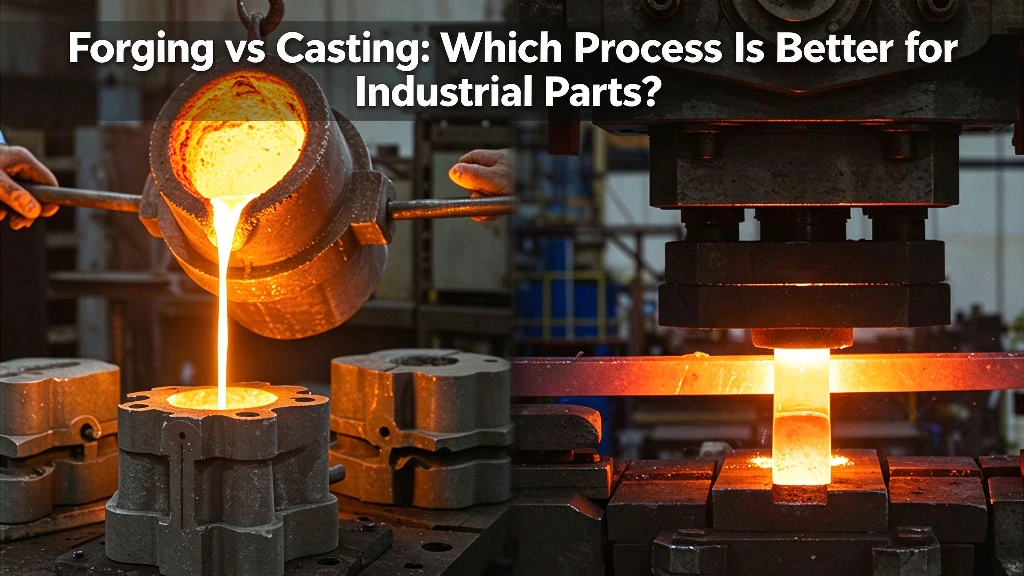
Forging delivers superior structural integrity, directional grain flow, and impact resistance because mechanical pressure deforms metal in a solid state, whereas casting pours molten metal into mol... -
Why is 4140 Steel Forging the Preferred Choice for High-Stress Industrial Components?
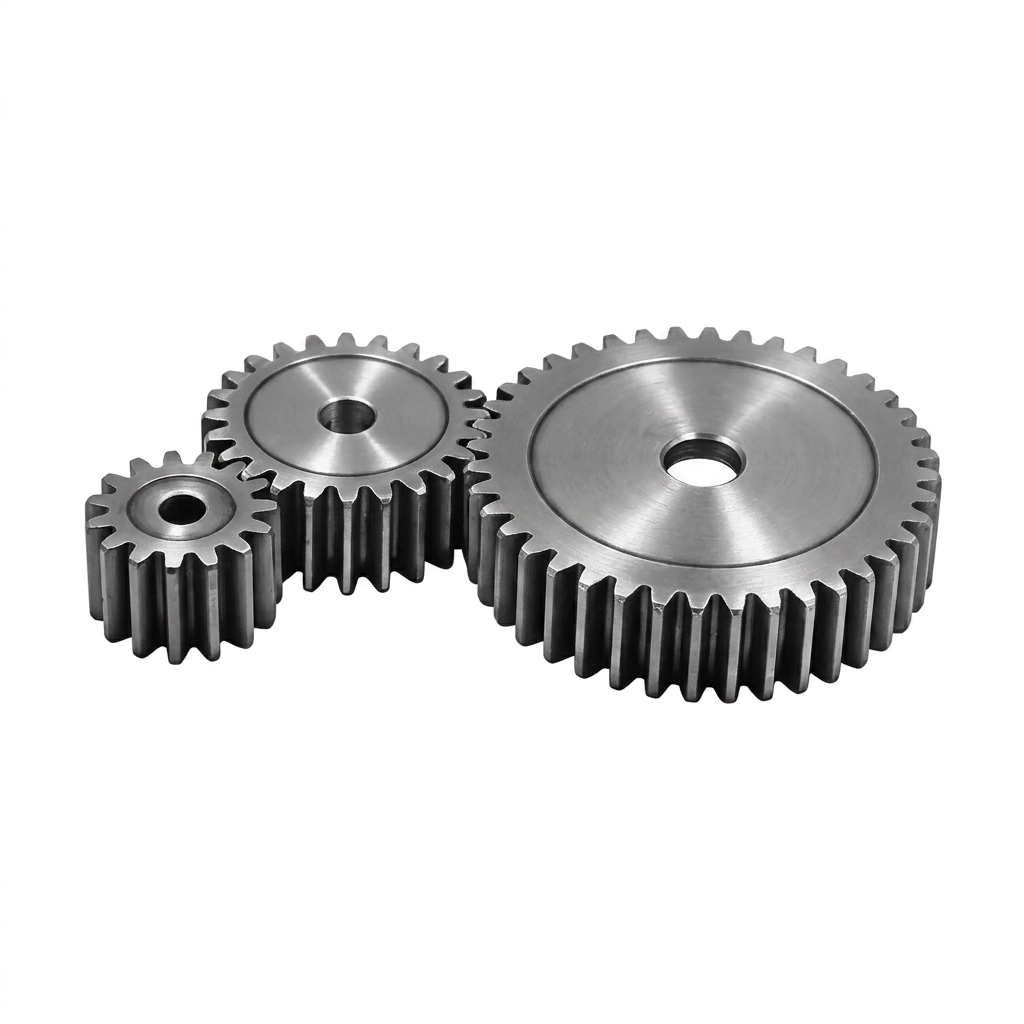
4140 steel forging achieves widespread adoption because it offers an exceptional balance of strength, toughness, and wear resistance. Engineers select this chromium-molybdenum alloy for heavy-duty ... -
How Do You Choose a Custom Forging Manufacturer in China?
You choose a custom forging manufacturer in China by verifying process capability, quality systems, OEM experience and cost structure before you sign any order. A reliable partner demonstrates prov... -
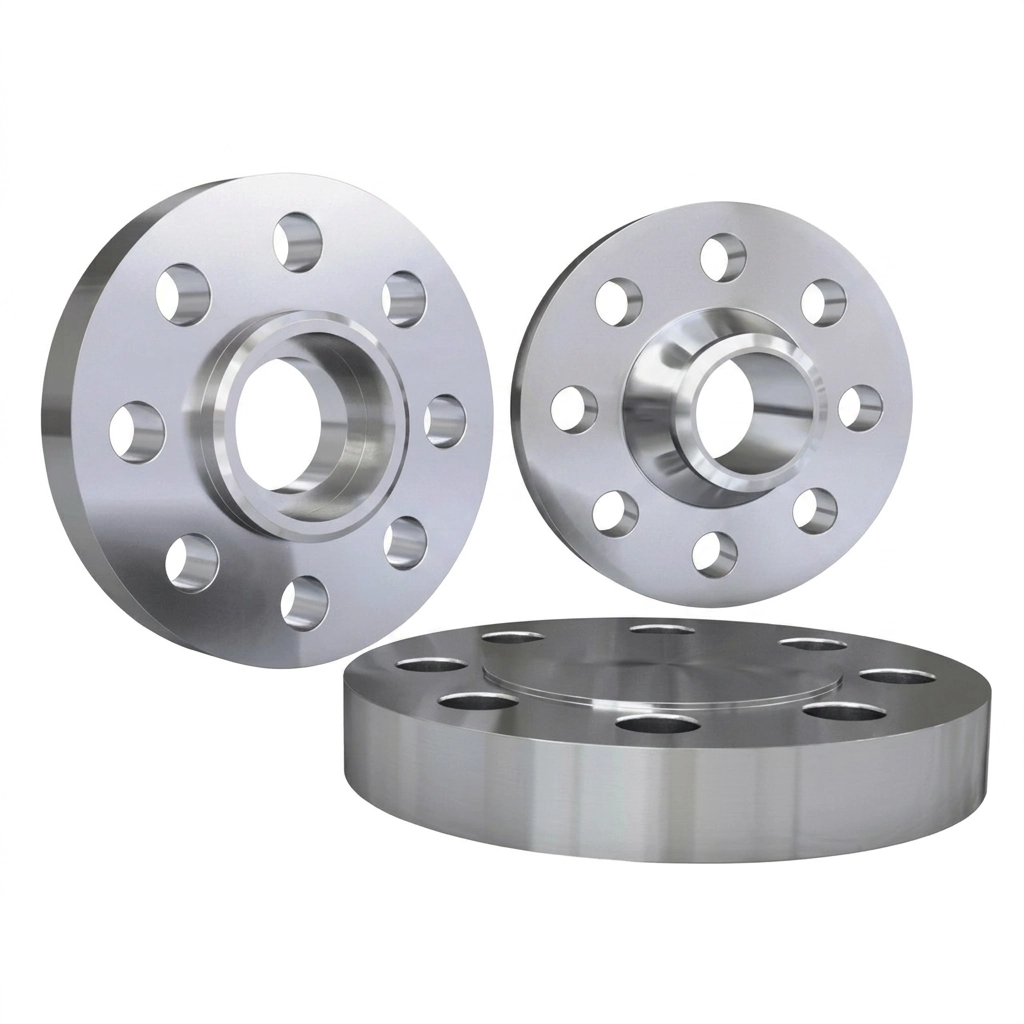
Open Die vs. Closed Die Forging: Which Process Is Better for Your Industrial Components?
Open die forging and closed die forging serve different manufacturing needs, and the right choice depends on part geometry, production volume, material requirements, tooling investment, and dimensi... -
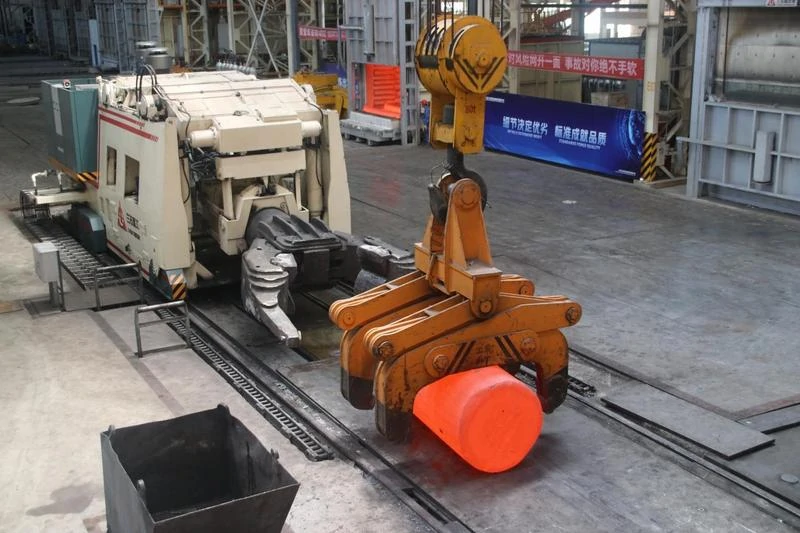
What Is Driving the Impression Die Forging Market, and How Should Buyers Choose a Forging Supplier?
The impression die forging market is driven by demand for strong, repeatable metal components in automotive, construction, energy, agriculture, transportation, and industrial equipment. The process... -
Types of Forging: How Do Open-Die, Closed-Die, and Other Forging Processes Compare?
Forging can be divided into several major process types, with open-die, closed-die, upset, roll, ring, and precision forging among the most common. Each process controls metal flow in a different w... -
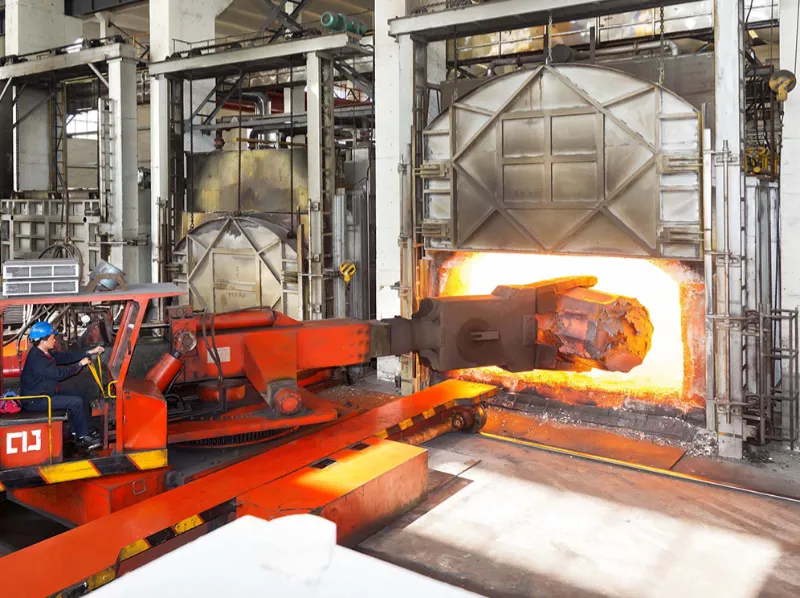
How Does the Forging Process Turn Steel Billets into Finished Industrial Parts?
The forging process converts steel billets, bars, and other metal stock into shaped industrial components through controlled plastic deformation. A typical route includes material selection, cuttin... -
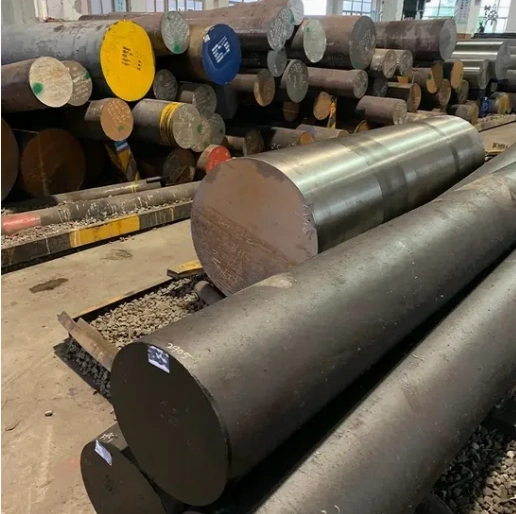
Open Die vs Closed Die Forging: Which Process Is Right for Your Steel Parts?
Open die and closed die forging serve different production requirements, so the right choice depends on part geometry, size, production volume, material utilization, dimensional requirements, and t... -
How Does the Metal Forging Process Improve Component Reliability for Industrial Applications?
Procurement managers often ask how thermal and mechanical shaping improves hardware reliability. The metal forging process enhances structural integrity by altering internal grain structures throug...